
MLB Betting Apps Comparison: Highest Rated US Sportsbooks
 Available in US
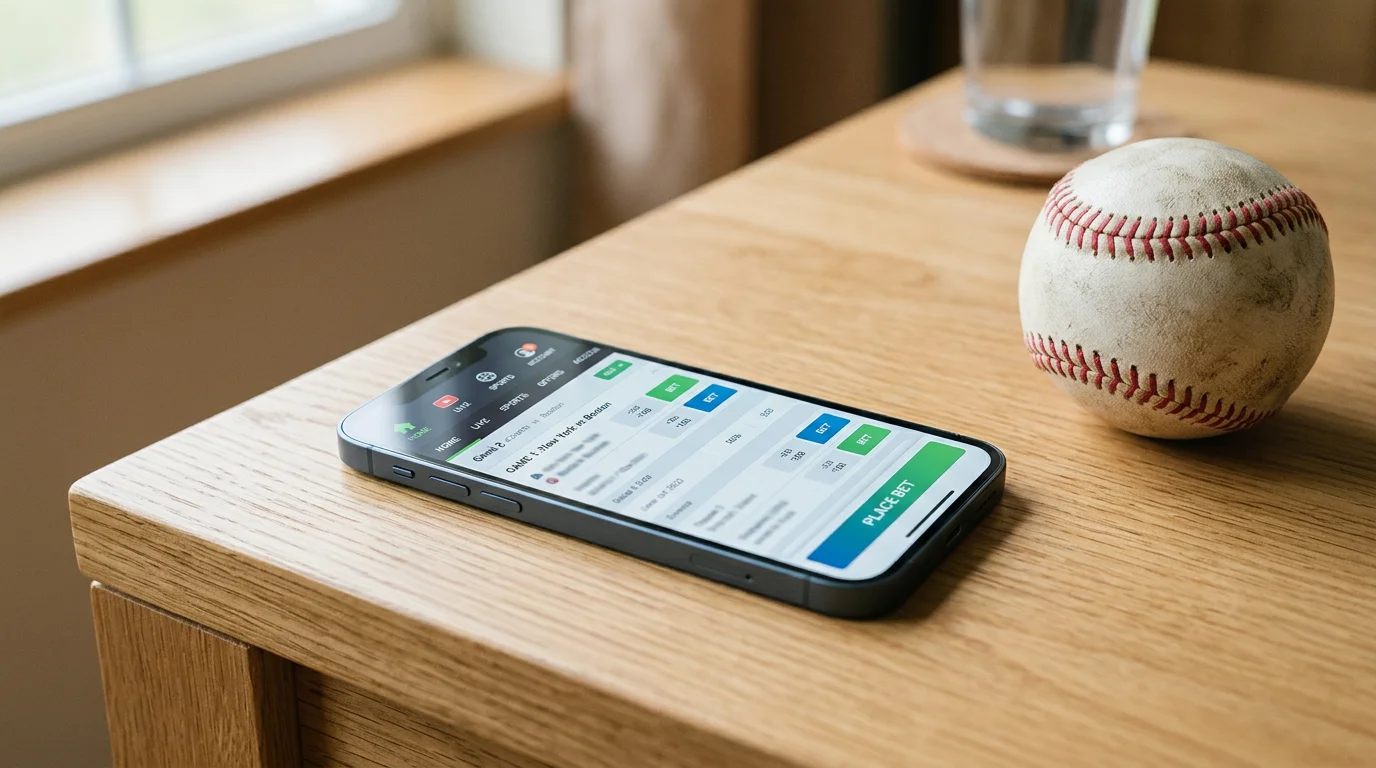
Benchmarking US Sportsbooks by Baseball Market Availability
For the first three years of my serious betting career, I used a single sportsbook. Then I opened a second account and compared the lines on 50 consecutive games. The average price difference was 4.2 cents per bet. Over 400 bets per season, that price gap represented roughly $840 in unrealized profit. I opened two more accounts the next week. With 38 states plus DC offering legal sports betting, the competition among sportsbooks is fierce – and bettors who exploit that competition capture real money.
The sportsbook you use determines the odds you receive, the prop markets available to you, and the live-betting interface you navigate during games. For baseball bettors specifically, these factors matter more than generic app reviews acknowledge because MLB’s market structure – moneylines instead of point spreads, daily 15-game slates, extensive prop menus – rewards the bettors who find the best price on every wager.
Line Quality and MLB-Specific Odds Differences
Not all sportsbooks offer the same odds on the same game. A -135 moneyline at one book might be -128 at another. That seven-cent difference on a $100 bet translates to about $4 in additional potential profit – and it compounds across a full season of daily betting. The online segment now represents 67.5% of the global sports betting market, and that concentration of competition should theoretically drive prices together. In practice, meaningful differences persist.
The differences exist because each book manages its own liability independently. A sportsbook that took heavy early action on one side will shade its line further than a book that received balanced action. Sharp-originating books – platforms where professional bettors concentrate their volume – tend to offer the most efficient (and therefore least exploitable) lines. Recreational-focused books – platforms that cater to casual bettors with promotions and user-friendly interfaces – tend to offer slightly softer lines because their customer base is less price-sensitive.
For MLB moneylines specifically, I have found the most persistent line differences on underdogs between +110 and +150. This range is where sharp and recreational books diverge most frequently. The favorite side is usually tightly priced across books because heavy public action on favorites forces convergence. The underdog side gets less attention from casual bettors, allowing books to set slightly different prices without facing equalizing volume. If your daily picks lean toward underdog value plays, checking three or four books before betting is essential.
Prop Market Depth: Who Offers the Most MLB Props?
The range of MLB player props varies dramatically across sportsbooks. Some platforms offer basic HR, hits, and strikeout props for headline pitchers and hitters. Others offer deep menus including total bases, runs scored, RBIs, stolen bases, walks, pitcher outs recorded, and even first-inning-specific props like NRFI. The depth of the prop menu directly affects your ability to find value.
Deeper prop menus contain more inefficiency because the sportsbook’s pricing algorithm must set odds on dozens of markets per game. The main markets – moneyline, runline, total – receive the most attention from both the book’s oddsmakers and the betting public. Deep prop markets receive less scrutiny, which means the odds are less precise. If you specialize in a specific prop type – say, pitcher strikeout overs – having access to a book that offers K props on all starters rather than just the marquee matchups gives you a wider opportunity set.
Same-game parlay availability also varies. Some platforms allow you to combine props and game outcomes within a single game; others restrict certain combinations. If SGPs are part of your approach, check which combinations each book permits before depositing. The restrictions on pitch-level props – capped at $200 and excluded from parlays since the Clase integrity case – apply universally, but other SGP restrictions are platform-specific.
Live Betting Speed and Interface for Baseball
Over 90% of bets are now placed through mobile apps, and more than 50% of all wagers happen in-play during games. For baseball’s live betting market, the app’s responsiveness during pitching changes and scoring plays is critical. A two-second delay in placing a live bet after a line shift can cost you five cents or more – which, across hundreds of live bets, adds up to a meaningful drag on profitability.
I evaluate live betting apps on three criteria: speed of line updates after game events, bet confirmation speed, and depth of in-play markets. Some apps refresh live lines within seconds of a pitching change; others lag by 15-30 seconds. Some offer live player props that adjust with the game flow; others limit live betting to moneyline and total. The best live betting experience for baseball combines fast updates, broad market depth, and minimal bet confirmation delays.
The practical recommendation: maintain accounts at three to four sportsbooks and use the one with the fastest live interface for in-play bets while using the others for pre-game price shopping. This multi-account approach captures the best price pre-game and the fastest execution live. The extra three minutes per day of comparing prices is the highest-ROI time investment you can make. For beginners setting up their first accounts, the getting started guide walks through account selection and initial deposits.
One final consideration: customer support and withdrawal speed. When you have money on the line across multiple platforms, you want to know that withdrawals process reliably and that support is accessible when issues arise. I prioritize books that offer same-day or next-day withdrawals, because tying up capital in a slow-withdrawal book means that money is unavailable for bets on other platforms where the price might be better. The entire multi-account strategy depends on capital being liquid and accessible across all your books. If one platform consistently holds withdrawals for five to seven business days, it undermines the flexibility that makes price shopping profitable in the first place.
The landscape of MLB betting apps will continue evolving as new operators enter the market and existing ones refine their platforms. The constants that matter for baseball bettors are competitive odds, deep prop menus, fast live interfaces, and reliable payments. Evaluate every platform against those four criteria, and you will find the combination that maximizes your edge across the full MLB season.
Does it matter which sportsbook I use for MLB betting?
Yes – it matters significantly. Line differences of 3-7 cents per bet are common across sportsbooks, and over a season of 400+ bets, those differences compound into hundreds of dollars of additional profit or loss. I recommend maintaining accounts at three to four licensed sportsbooks and comparing prices before every bet. The book with the best price for each specific bet should get your action.
Which apps offer the best early-season MLB futures?
Early-season futures pricing varies by platform. Some books post World Series and win total odds shortly after the previous season ends, while others wait until closer to spring training. The best futures value often appears on books that post early, before sharp money has moved the lines. I check all four of my accounts for futures odds in November and February, taking the best available price on any position I want to open.
Created by the "Baseball Bets of the day" editorial team.