MLB Betting During the All-Star Break: Mid-Season Value
 Available in US
Adjusting MLB Models for Post-All-Star Break Performance Trends
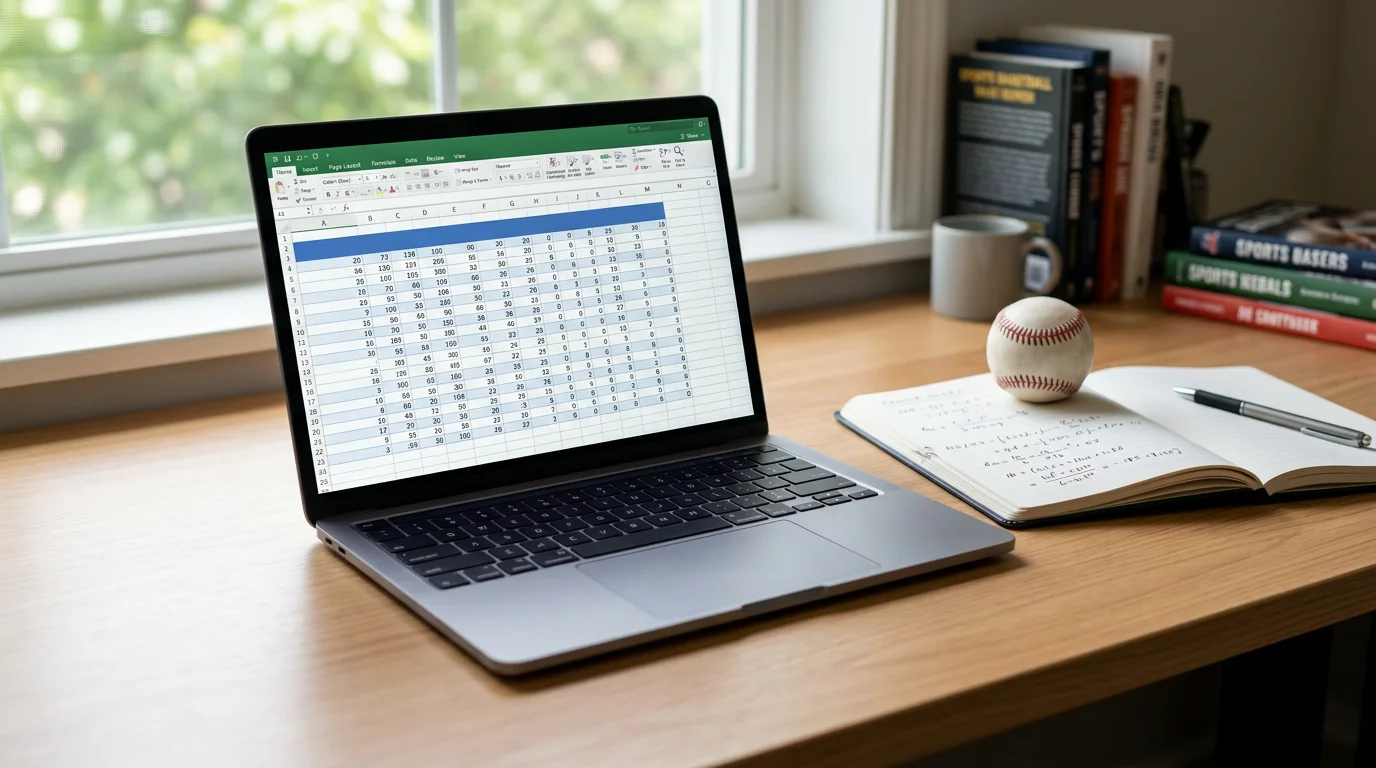
Most bettors treat the All-Star break like a vacation. I treat it like tax season – unpleasant but essential. Those four days without games are when I rebuild my spreadsheets, audit my first-half performance, and prepare for a second half that, historically, behaves differently from the first. Betting industry revenue dips during the summer months when MLB is the only major sport in daily action, and that seasonal lull actually benefits sharp bettors who use the quiet period to recalibrate while the casual market takes a nap.
The All-Star break is not just a mid-season pause. It is a structural inflection point for the betting market. Roster compositions change as the trade deadline approaches. Pitching rotations get reshuffled. Teams that started slowly reveal whether their early-season struggles were real or whether they are better than their record suggests. The break gives you a chance to digest three months of data and adjust your approach before the second half begins – and the bettors who do this work consistently outperform those who simply carry their first-half assumptions into July.
Why Second-Half Lines Are Softer Than First-Half
Here is something the market does not talk about enough: second-half MLB lines are generally less efficient than first-half lines. The reasons are structural and persistent across seasons.
In the first half, sportsbooks are calibrating their lines to fresh data as the season unfolds. By mid-June, they have 70+ games of data on every team and pitcher, and the lines tighten as the book’s models stabilize. But the All-Star break disrupts that calibration. Rosters change through trades. Pitchers return from injury. September call-ups add unknowns. The book’s model must re-learn in real time, and during that re-learning window, the lines contain more exploitable gaps.
The second-half softness is most pronounced in the two to three weeks immediately after the break and again after the trade deadline in late July. In those windows, I increase my betting volume by 20-30% because the hit rate on my model’s value plays typically improves. The 2,430-game season provides enough volume that even small increases in per-bet edge produce meaningful additional profit when compounded across 50-80 second-half wagers.
I track my ROI by half-season specifically because the difference is material. Over the past four years, my second-half ROI has exceeded my first-half ROI in three of those four seasons. The outlier was a year when a major injury wave hit several teams I was tracking closely, disrupting my models in ways I had not anticipated. But the structural tendency toward softer second-half lines has been consistent enough to build a strategy around. The key is using the break itself productively rather than just waiting for games to resume.
Trade Deadline Impact on Betting Lines
The MLB trade deadline in late July creates the most dramatic mid-season line adjustments in baseball. A team that acquires a front-line starter or an elite reliever sees its moneyline and runline shift immediately, often before the player even arrives. And here is the edge: the market tends to overreact to marquee deadline acquisitions and underreact to less visible moves.
When a contender lands a big-name pitcher, the line adjusts aggressively. But the pitcher’s impact does not manifest fully until he has pitched four or five starts in his new environment – learning the park, adjusting to the league if he switched from AL to NL or vice versa, building rapport with a new catcher. The immediate line adjustment prices in peak impact from day one, creating a window where the new acquisition’s team is slightly overvalued. I have had success fading teams in the first week after a blockbuster trade, capturing the gap between the market’s excitement and the on-field reality.
The underreaction is on the other side. Teams that sell at the deadline – trading their closer, their setup man, or a starting pitcher – often see their lines adjust less than the true impact warrants. Losing an elite reliever degrades a team’s late-inning hold rate significantly, but the moneyline may only shift by five to ten cents. Betting against deadline sellers, especially on the runline where late-inning bullpen quality matters most, has been one of my more reliable post-deadline angles.
Resetting Your Model at the Season’s Midpoint
If you use any kind of systematic approach to handicapping – whether it is a formal model or just a consistent checklist – the All-Star break is the time to recalibrate. Here is the reset process I follow every July.
First, I update all pitcher weights. By mid-season, I have 15-18 starts of current-season data on every rotation arm. That is enough to blend meaningfully with career numbers. I shift my model from a 60/40 career/current-season weight to a 40/60 weight, giving more emphasis to this year’s performance. Pitchers change – they add pitches, lose velocity, adjust mechanically. The current season reflects those changes; career numbers dilute them.
Second, I refresh bullpen tiers. The bullpen landscape changes dramatically by mid-season. A team’s Opening Day closer might be injured, traded, or demoted. New setup men emerge from unexpected sources. I rebuild my bullpen tier list from scratch using the last 30 days of data, ignoring April and May entirely. The model inputs section details the broader methodology, but the mid-season refresh is specifically about updating the bullpen inputs that change most.
Third, I audit my first-half bets. I sort every bet by category – moneyline, runline, totals, props – and calculate ROI for each. If one category is dragging, I investigate why. Last year, my totals bets underperformed in the first half because I was underweighting bullpen fatigue in day games following night games. The audit caught it, I adjusted, and my second-half totals ROI climbed above 4%. Without the audit, I would have carried the same blind spot into August.
The reset takes a full afternoon. I treat it as non-negotiable – as important as any individual game analysis. The bettors who skip this step are wagering in the second half using first-half assumptions that may no longer be accurate. The daily picks you make in August should reflect August’s reality, not April’s projection.
Should I bet on the MLB All-Star Game itself?
I generally avoid betting the All-Star Game. The game features non-standard lineups, limited pitcher usage, and players with varying levels of motivation. Managers prioritize getting everyone playing time over winning strategy. The betting lines reflect this uncertainty, but the pricing is difficult to analyze because there is no meaningful dataset of comparable games. Treat it as entertainment, not as a betting opportunity.
How quickly do betting lines adjust after a major trade deadline deal?
Lines adjust within minutes of a major trade being reported, but the initial adjustment often overshoots for the acquiring team and undershoots for the selling team. The acquiring team’s line tightens immediately based on the name-brand value of the new player, while the selling team’s line loosens modestly. I have found that waiting two to three days after a major deal gives you a more accurate line as the market digests the actual roster implications.
Created by the "Baseball Bets of the day" editorial team.