Umpire Tendencies in MLB: Strike Zone Data and Analytics
 Available in US
Measuring Umpire Impact on MLB Run Totals and Strikeout Lines
I had a ritual early in my betting career: check the starting pitchers, glance at the weather, look at the park factor, and fire. My totals record hovered around 51% – barely scraping by. Then a sharper friend asked me a question that changed everything: “Who’s behind the plate?” I had never once checked the home plate umpire before placing a bet. The moment I started, my totals win rate climbed above 53% and stayed there.
In a sport with 2,430 regular-season games, the home plate umpire is one of the most underweighted variables in the market. Each umpire has a measurable, persistent strike zone tendency. Some call a wide zone that suppresses walks and produces more pitcher-friendly outcomes. Others squeeze the zone tight, forcing pitchers to groove fastballs that hitters punish. These tendencies are not random – they are baked into years of data, and they directly affect game totals, strikeout props, and even moneyline values.
The market barely prices umpire tendencies into lines. Sportsbooks set opening totals based on pitchers, offenses, and parks. The umpire assignment often is not even released when opening lines post. By the time umpires are announced – usually about 24 hours before first pitch – the line has already been shaped by early money. Any adjustment the book makes tends to be minimal, leaving a window for bettors who track umpire data to exploit the gap. That window has been one of the more consistent edges I have found in daily MLB betting.
How Strike Zone Size Tilts Totals and Strikeout Props
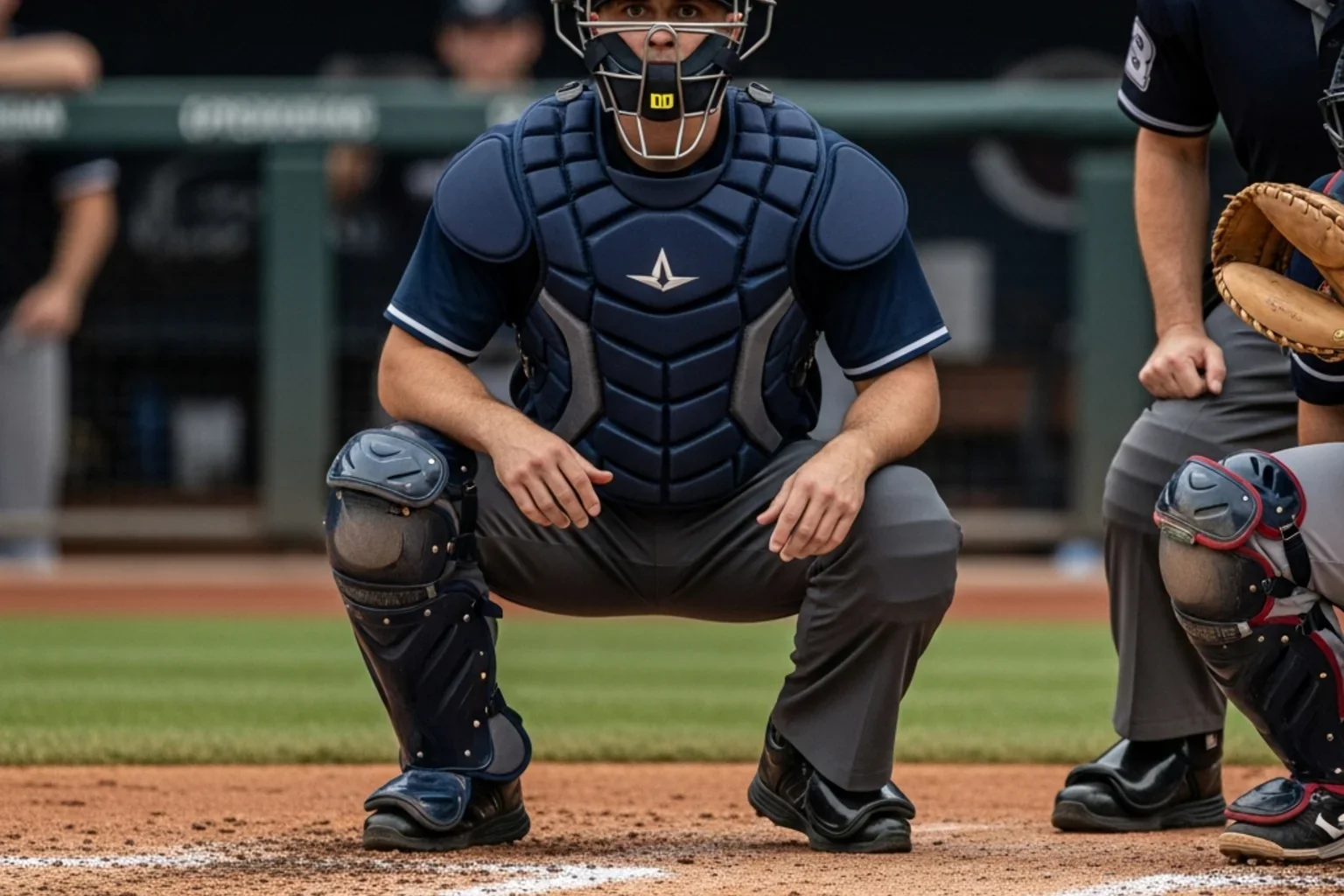
Picture two games with identical starting pitchers, identical lineups, and identical parks. The only difference is the man calling balls and strikes. In Game A, the umpire has a career called-strike rate well above league average – he gives pitchers an extra inch or two on the edges. In Game B, the umpire has a below-average called-strike rate and a tight zone. Game A will produce fewer walks, more called third strikes, and lower scoring on average. Game B will produce more walks, more hitter-friendly counts, and higher scoring. This is not theory. The data across thousands of games confirms it.
A wide-zone umpire inflates strikeout totals and suppresses run scoring. When pitchers get borderline calls, hitters swing at pitches they would normally take, producing weaker contact. The chain reaction: more swings on pitchers’ pitches, more strikeouts, fewer baserunners, fewer runs. For totals betting, a wide-zone umpire pushes the expected game total down by roughly 0.3 to 0.5 runs compared to a neutral umpire. For strikeout props, the effect can add half a strikeout to each pitcher’s expected total.
A tight-zone umpire reverses the equation. Pitchers lose the edges, fall behind in counts more frequently, and throw more hittable pitches to avoid walks. Run scoring increases because hitters get better pitches to hit and reach base via walks more often. A tight-zone umpire can push expected scoring up by a similar 0.3 to 0.5 runs relative to neutral.
The practical takeaway is simple. When a confirmed under-friendly umpire draws a game where two strong pitchers are already making me lean toward the under, the umpire assignment acts as confirmation that pushes me from lean to bet. When an over-friendly umpire draws a game where two mediocre starters face good lineups, that is a strong over spot. The umpire does not change the direction of my analysis – he strengthens or weakens the conviction.
Umpire Profiles: Over-Friendly vs. Under-Friendly
Brian O’Dwyer, the chair of the New York State Gaming Commission, once said something that resonated with me about market integrity: if a wager is susceptible to manipulation, the right move is to eliminate it rather than restrict it. The same principle applies to umpire data in a different way – if a variable demonstrably shifts outcomes, ignoring it is not neutral. It is a leak in your process.
Umpire profiles fall into three categories. Over-friendly umpires have tight zones that inflate scoring. Under-friendly umpires have wide zones that suppress it. Neutral umpires fall close to league average and offer no meaningful edge. Across any given season, roughly a third of active umpires fall into each bucket, though the extremes are where the value lives.
The umpires at the extremes produce the most actionable data. An umpire like Angel Hernandez, before his retirement, had a wide zone that consistently favored pitchers. Others have tight zones that turn pitcher’s duels into slugfests. The specific names shift from year to year as new data accumulates and umpires adjust, but the structural pattern holds: the top five over-friendly umpires and the top five under-friendly umpires generate the strongest betting signals.
I maintain a simple spreadsheet with three columns: umpire name, over/under record from the current season, and career trend. When an umpire with a 60%+ over rate or under rate draws a game where my analysis already leans in that direction, the bet moves from “interesting” to “strong.” When the umpire assignment contradicts my lean, I either reduce my stake or pass entirely. That discipline has kept me from forcing bets into bad spots more times than I can count.
One caveat: umpire data needs at least two full seasons of plate appearances to be reliable. In-season splits based on 20 or 30 games can be noisy. I weight career numbers more heavily than current-season splits, adjusting only when a current-season trend is extreme enough to suggest a genuine change in approach. Most umpires are remarkably consistent from year to year, which is what makes this angle so durable.
Where to Find Umpire Assignment and Trend Data
Umpire assignments for MLB games are typically released the day before the game, usually in the afternoon Eastern time. The official MLB umpire schedule is not always published publicly in an easy-to-find format, but several third-party sites and betting analytics platforms track assignments and pair them with historical data.
For umpire tendency data, I rely on sites that track called-strike percentage, zone size relative to the rulebook zone, and historical over/under records by umpire. The best resources let you filter by season and by venue, which matters because some umpires call slightly different zones at different parks. I cross-reference umpire data with my totals analysis as the final step before committing to a bet.
The timing of umpire announcements creates a specific betting workflow. I do my initial analysis – pitchers, lineups, weather, park – in the morning when lines are posted. When umpire assignments come out later, I revisit any game where I had a lean. If the umpire aligns with my lean, I fire. If the umpire contradicts it, I reassess. This two-pass approach takes maybe 10 extra minutes per day and has been worth every second.
One more tip: umpire assignments sometimes change due to illness, travel issues, or crew rotations. Always confirm the assignment on game day, especially for afternoon starts. A last-minute umpire swap can flip the umpire variable entirely, and betting based on an outdated assignment is worse than not checking umpires at all.
When are home plate umpire assignments released for MLB games?
Umpire crew assignments are typically released 24 to 48 hours before game time, with specific plate assignments usually confirmed the day before. Times vary, but most are available by mid-afternoon Eastern. Third-party sites and social media accounts dedicated to umpire tracking often publish assignments as soon as they are available.
How much can umpire tendencies shift an over/under line?
A single umpire assignment can shift expected game scoring by approximately 0.3 to 0.5 runs compared to a neutral umpire. This does not typically move the posted total by a full number, but it can change the value calculation. A game set at 8.5 that looks borderline might become a clear over or under play once an extreme umpire is confirmed behind the plate.
Created by the "Baseball Bets of the day" editorial team.