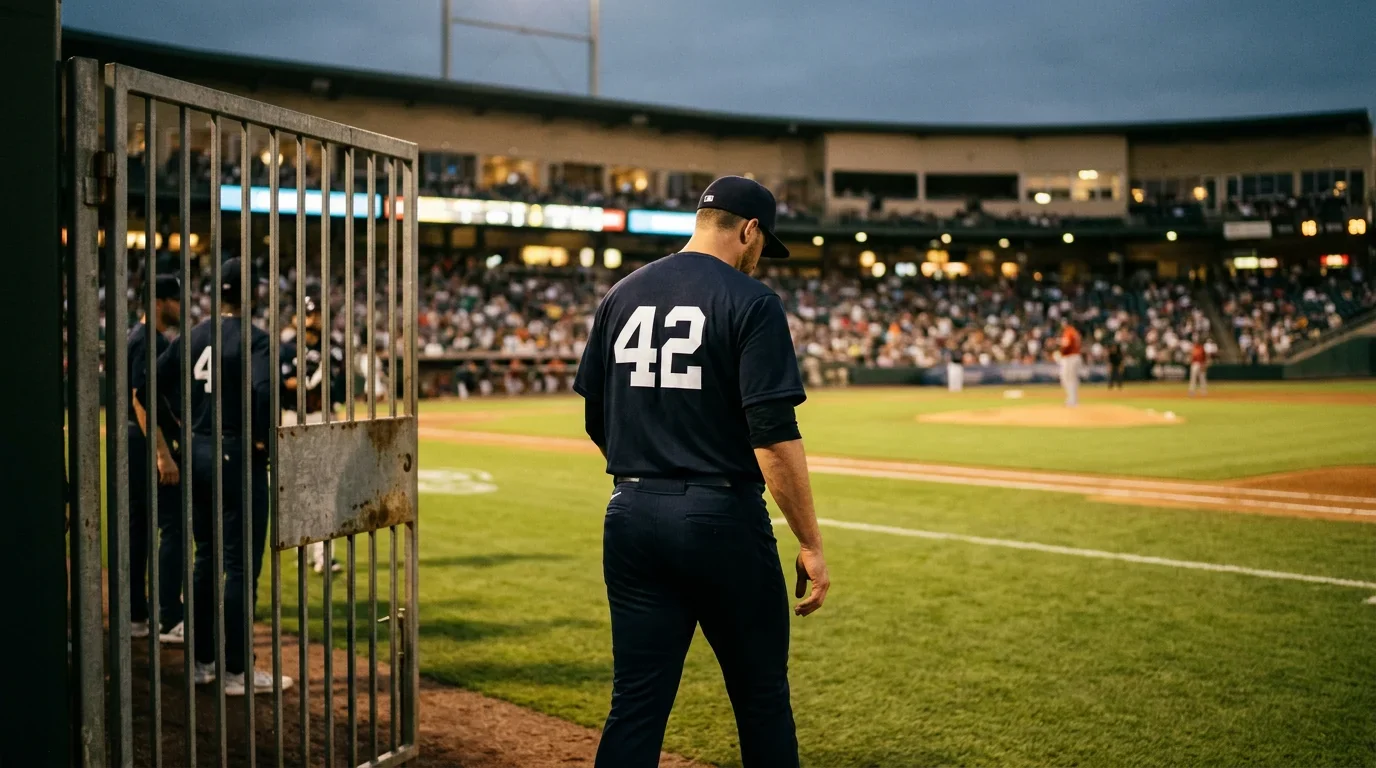
MLB Spring Training Betting: Extracting Preseason Value
 Available in US

Adjusting Evaluation Metrics for MLB Exhibition Games
Every February I get the same question from bettors eager for baseball action: “Can I bet on spring training?” The answer is yes – several sportsbooks offer lines on Grapefruit and Cactus League games. The better question is whether you should. And after betting spring training for five seasons, tracking every wager, my honest answer is: only if you understand exactly how exhibition games differ from the real thing, and only in very specific spots.
Spring training is not a miniature regular season. Managers rest starters early, platoon minor leaguers, test experimental lineups, and pull pitchers after three innings regardless of performance. The 2,430-game regular season generates reliable statistical patterns. Spring training’s 25-to-30-game schedule per team generates noise. The fundamental issue for bettors is that the inputs you rely on during the regular season – full lineups, normal pitching rotations, bullpen deployment strategy – do not apply in exhibition ball.
Why Totals Are the Only Rational Spring Training Market
If you are going to bet spring training, bet totals. Skip moneylines. Skip runlines. Here is why.
Moneylines in spring training are unreliable because the winner depends on which team deploys more regular-season talent in the later innings. A team could start its A-lineup, build a four-run lead through five innings, then replace every starter with minor leaguers who give the lead back. You have no control over or insight into these substitution decisions, and the sportsbook’s algorithm cannot fully model them either. MLB favorites win 58-62% of regular-season games because managers optimize for wins. In spring training, managers optimize for evaluation. That fundamental difference makes moneyline analysis meaningless.
Totals are more analyzable because scoring rates in spring training tend to follow predictable patterns regardless of substitutions. Relief pitchers in spring training are often minor leaguers or fringe arms getting audition innings – they allow runs at a higher rate than regular-season relievers. Hitters see pitchers who are not yet in game shape, throwing limited pitch mixes, and working through mechanical adjustments. The net effect is that spring training games tend to score slightly higher than regular-season games with comparable pitching names.
I look for totals set below 9 when two teams are deploying mostly regular-season hitters in the early innings and the starters are only going three to four innings before giving way to bullpen depth arms. The combination of early-exit starters and lower-quality relievers pushes the actual run total higher than the posted line suggests. This is a narrow angle, and I bet at most two or three spring training totals per week, but it has been profitable over my five years of tracking.
Why Spring Training Stats Mislead Regular-Season Models
Here is the trap that catches many analytical bettors: they take spring training performance data and feed it into their regular-season models. A pitcher who threw four scoreless innings against minor leaguers is not the same pitcher who will face MLB lineups in April. A hitter who went 4-for-8 against Single-A arms is not a better hitter than his career numbers suggest.
Spring training stats mislead because the competition level is inconsistent and unmeasurable. In any given at-bat, a hitter might face a 22-year-old with a 95 mph fastball who has never thrown above High-A, or he might face a veteran trying to make the team with a craftier but less dominant arsenal. The scouting reports that inform regular-season prop pricing do not exist in the spring context. Without consistent competition, the performance data is fundamentally non-comparable to regular-season numbers.
The one exception: pitcher velocity and pitch mix. Spring training is genuinely useful for observing whether a pitcher has added a new pitch, whether his velocity has changed from the previous season, and whether he is healthy. These observations are qualitative, not statistical – I note them as inputs for my regular-season projections but do not assign numerical weight to spring training ERA, WHIP, or K rate. The process is more scouting than statistics, and it feeds directly into the early-season analysis I do during the first two weeks of the regular season. If I see a pitcher whose velocity is down three mph from September, I flag him as a potential fade target in April regardless of what his spring ERA says.
Using Spring Outings to Preview Regular-Season Pitching
Where spring training genuinely helps bettors is in pitching evaluation – but only if you watch the outings rather than reading the box scores. The box score will tell you a pitcher went three innings with two hits and a strikeout. Watching the outing tells you whether his slider has a new shape, whether his velocity is up or down from September, and whether his command looks sharp or rusty.
I focus my spring training viewing on three categories of pitchers. First: pitchers coming back from injury. A starter returning from Tommy John surgery or a significant arm issue will use spring training to rebuild stamina and test his stuff against live hitters. His velocity progression through March – from 88 mph in his first outing to 93 by the end of camp – tells you whether he will be ready for April or whether he is still rebuilding. This information is available before the regular-season lines are set and can give you a head start on identifying undervalued or overvalued arms.
Second: pitchers who changed teams in the offseason. A free-agent signee pitching in a new park, in a new league, with a new coaching staff and new catcher is a genuine unknown. Spring training lets you observe how the pitcher looks in his new context. If a pitcher known for tight command looks erratic in spring, it may signal an adjustment period that will persist into April, creating early-season fade opportunities.
Third: young pitchers competing for rotation spots. A prospect who dominates spring training with elite stuff and command is worth flagging as a potential breakout. If he wins a rotation spot and the market prices him as an unknown – setting his games at wider lines because of limited track record – there may be value in backing him early, before the market corrects based on regular-season performance. For futures bettors, these spring scouting observations feed into pre-season win total assessments. A team with a breakout pitcher candidate who exceeds expectations in camp might be undervalued in the win totals market.
Do sportsbooks offer full lines for spring training games?
Most major sportsbooks offer moneylines and totals for spring training games in the Grapefruit League and Cactus League, but the market availability is narrower than regular-season games. Props and runlines are rarely offered. Lines are typically posted the morning of the game and may adjust significantly based on starting lineup announcements. Not every spring training game will have lines available.
Can spring training pitcher performance predict regular-season ERA?
Spring training ERA is a poor predictor of regular-season ERA because the competition level is inconsistent – pitchers face a mix of MLB regulars, minor leaguers, and non-roster invitees. However, velocity readings, pitch movement, and command observations from spring outings do have predictive value for the regular season. I use spring training for qualitative scouting rather than statistical prediction.
Created by the "Baseball Bets of the day" editorial team.