MLB Bullpen Analysis: Reliever Matchups and Late-Game Lines
 Available in US
Quantifying Reliever Workloads for Late-Game Totals Betting
I lost a lot of money on starter-driven bets before I learned this lesson: the starting pitcher determines the first five innings, but the bullpen determines the outcome. With 2,430 regular-season games and starters averaging barely 5.1 innings per start in recent seasons, the bullpen handles close to 40% of all innings pitched. That is not a supporting role. It is nearly half the game, and betting without analyzing it is like evaluating a restaurant by looking only at the appetizer menu.
The market places disproportionate weight on starting pitchers when setting lines. The pre-game moneyline is built primarily around the starters, with a generic bullpen adjustment baked in. But bullpen quality is not static – it fluctuates daily based on workload, recent usage, availability of key arms, and matchup dynamics that change with each game. The gap between the book’s generic bullpen adjustment and the actual state of each team’s bullpen on a given night is one of the most exploitable edges in baseball betting.
Back-to-Back Usage and Fatigue Indicators
The single most actionable piece of bullpen data is usage from the prior two days. Relievers who pitch on consecutive days show measurable performance decline. Their velocity drops, their command worsens, and their ERA in back-to-back-to-back appearances is significantly higher than in their first appearance of a series. Managers know this, which is why they try to avoid using key arms three days in a row. But during stretch runs, playoff races, and simply bad scheduling luck, it happens.
My pre-game check takes two minutes: I pull up each team’s bullpen usage log from the last 72 hours. If a team’s closer and primary setup man both pitched the previous two nights, that bullpen is compromised. The remaining arms are less talented, less trusted, and more likely to give up runs in late-inning leverage situations. If that team is protecting a lead, their probability of holding it is lower than the market implies. If the opposing team is behind but has a fully rested bullpen, a comeback is more likely than the live line suggests.
Teams coming off extra-inning games are the extreme case. A 12-inning game can burn through five or six relievers, leaving the bullpen stripped for the next day’s game. The market adjusts slightly for these situations, but rarely enough. I have found consistent value betting against teams whose bullpen was depleted by an extra-inning game the previous night, especially when facing a team with a rested pen.
High-Leverage vs. Low-Leverage Reliever Performance
Not all bullpen innings are created equal, and not all relievers perform the same under pressure. Understanding leverage – the statistical measure of how much a game situation affects the final outcome – is critical for evaluating bullpen impact on bets.
High-leverage situations are the tight, late-game moments: runner on third with one out in the eighth, tie game in the ninth, protecting a one-run lead. Elite relievers thrive in these spots because they have the stuff and the mental composure to execute under pressure. Low-leverage situations – a six-run lead in the seventh, a five-run deficit in the eighth – are handled by lesser arms who would not be trusted in close games. Sabermetric integration across organizations shows roughly 12% improvement in measurable outcomes, and leverage-aware bullpen deployment is one of the clearest applications.
For bettors, the question is whether the relievers likely to pitch in high-leverage spots tonight are the team’s best arms or whether those arms are unavailable due to usage. A team with a dominant closer and setup man available is a fundamentally different proposition than the same team with those arms unavailable. The moneyline should reflect that difference, and it often does not – especially in the pre-game market, which is set before daily availability is fully clear.
I maintain a shorthand tier list for each team’s bullpen: Tier 1 (closer and primary setup), Tier 2 (secondary setup, situational lefty), Tier 3 (mop-up and long relief). When Tier 1 is fully available, I trust the team to protect leads. When Tier 1 is tapped out and Tier 2 is handling high-leverage work, I adjust my lean by roughly 3-5% probability against the team – enough to change a marginal bet into a pass or an opposite-side play.
Bullpen ERA Trends and Their Effect on Game Totals
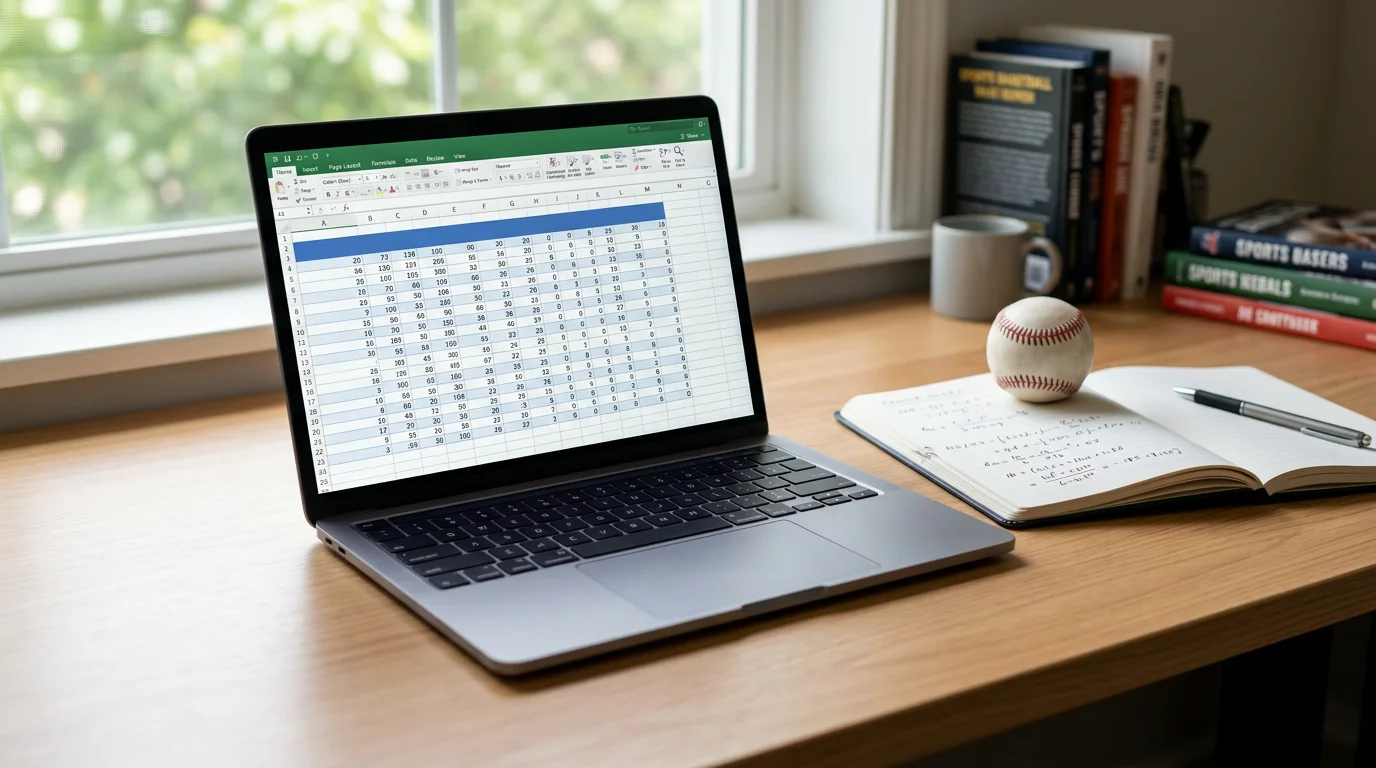
Bullpen ERA over the last 7 to 14 days is a strong predictor of totals outcomes. A bullpen running a collective ERA above 4.50 over the past two weeks signals either fatigue, injury, or simple decline. Games involving two compromised bullpens tend to push totals higher because the late innings produce more runs than the pre-game total anticipated.
I use rolling 14-day bullpen ERA as a totals adjustment. If both bullpens have 14-day ERAs below 3.00, I lean under because the late innings will likely be clean. If both are above 4.50, I lean over. If one is strong and one is weak, I look at which team is more likely to be leading late – because the leading team’s bullpen is the one that matters most in protecting the game’s trajectory.
This analysis pairs naturally with my totals betting approach, where I already factor in weather and park data. The bullpen is the third pillar: weather and park set the environmental context, the starters set the early-inning expectation, and the bullpen determines whether the late innings deviate from the pre-game total. When all three factors align in one direction, the totals bet has its highest probability. When they conflict, I pass and look for a cleaner spot on the runline instead.
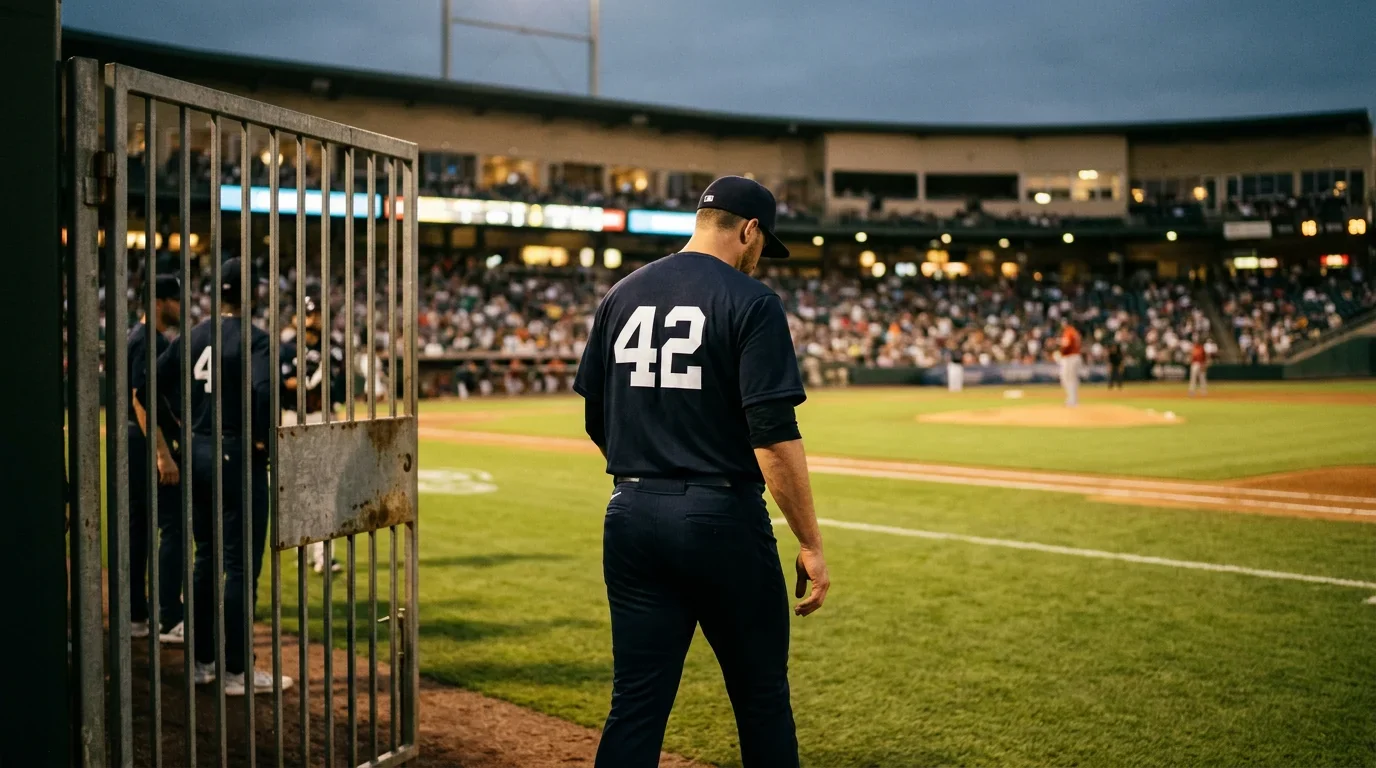
One more application: bullpen quality directly affects live betting. When a starter exits and a compromised bullpen takes over, the live total should adjust upward. If the book’s algorithm has not fully priced in the specific reliever’s recent workload and fatigue level, the live over becomes attractive. I flag games where one team’s bullpen is depleted before first pitch so I am ready to act when the starter-to-bullpen transition happens in-game. The combination of pre-game bullpen analysis and in-game live-betting execution is one of the more reliable edges I have found across a full season of baseball betting.
How do I check if a team’s key relievers pitched the night before?
MLB’s official transaction log and box scores from the previous night’s game show every pitcher who appeared. Several free baseball reference sites also provide rolling bullpen usage charts that display which relievers have pitched in the last one, two, and three days. I check this daily as part of my pre-game analysis – it takes about two minutes per game and is one of the most valuable data points for late-inning projections.
Does a strong closer make runline favorites safer?
Yes, but with caveats. A rested, dominant closer increases the probability that a team protecting a one- or two-run lead in the ninth will hold it, which supports runline favorites. However, if that closer pitched the previous two nights and is unavailable, the runline favorite becomes riskier because a lesser arm handles the ninth. Always verify closer availability before backing a tight runline favorite.
Created by the "Baseball Bets of the day" editorial team.